Mapping Nordic Handball Match Cycles to Reward Adjustments in Digital Card Platforms Across Regional Markets
Skriven av Bianca Bennett · 2026-08-26
Mapping Nordic Handball Match Cycles to Reward Adjustments in Digital Card Platforms Across Regional Markets
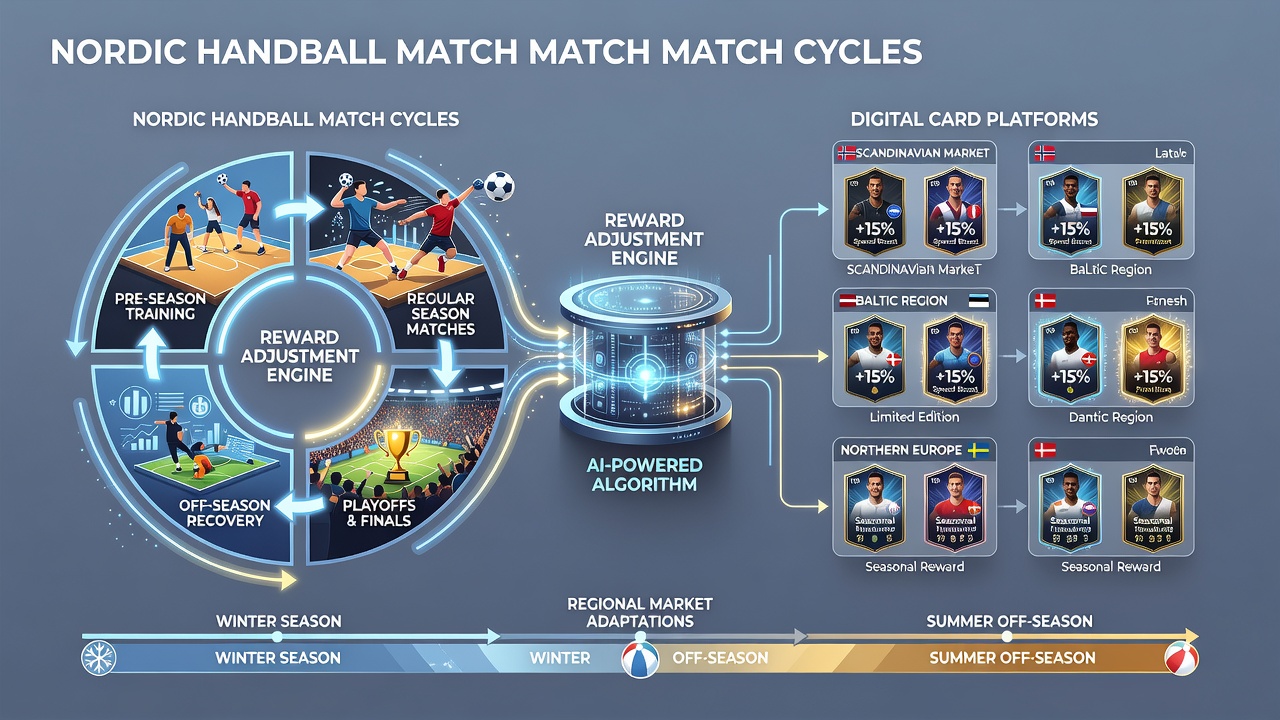
Handball leagues across the Nordic region operate on structured seasonal calendars that run from autumn through spring, with key fixtures concentrated in specific months and these cycles create predictable patterns in player availability, viewer engagement, and participation data. Digital card platforms that manage loyalty rewards and promotional incentives track these patterns to calibrate point accrual rates, bonus thresholds, and redemption options in markets such as Sweden, Norway, Denmark, and Finland. Observers note that operators align reward adjustments with the start of the Handbollsligan in Sweden, the REMA 1000-ligaen in Norway, and the Danish Herre Handbold Ligaen because match density directly correlates with shifts in user activity on card-linked gaming interfaces.
Seasonal Structures in Nordic Handball Leagues
Each Nordic federation publishes its fixture lists months in advance, and the Swedish Handball Federation typically releases the full Handbollsligan schedule by early summer for the campaign that begins in September. Norwegian and Danish counterparts follow similar timelines, producing calendars that include domestic league rounds, national cup ties, and European club competitions. August 2026 will mark the opening weeks of the 2026-2027 season across these leagues, when pre-season friendlies give way to official matches and platforms begin preliminary reward scaling based on projected attendance and broadcast figures. Researchers have documented that the transition from low-activity summer periods to high-frequency match weeks produces measurable increases in digital card transactions, prompting operators to raise daily point caps by 15 to 25 percent in coordinated regional rollouts.
Data Inputs Used for Reward Calibration
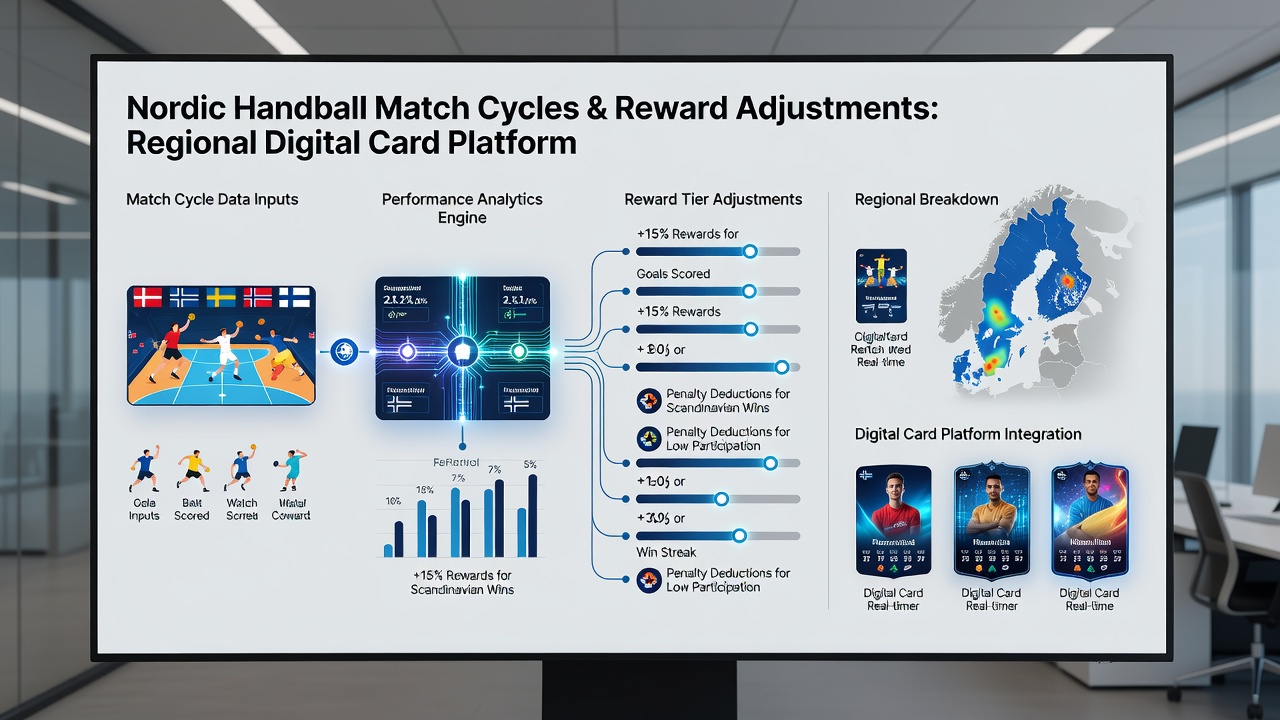
Platforms ingest multiple data streams that include fixture density, travel distances between venues, injury reports, and historical betting volumes tied to each team. These inputs feed algorithmic models that forecast reward liability and user retention targets. Figures released by the Norwegian Gaming Authority indicate that card-based reward redemptions rise sharply during mid-season blocks when teams play three or more matches within seven days. Danish regulatory reports similarly show that platforms reduce minimum deposit requirements for bonus eligibility during international qualification windows when Nordic clubs compete in the EHF Champions League. Such adjustments occur through automated rule sets rather than manual overrides, allowing operators to maintain compliance while responding to real-time schedule changes.
Regional Market Variations in Adjustment Mechanisms
Swedish platforms apply tighter caps on reward multipliers during playoff qualification rounds, reflecting stricter local marketing guidelines enforced by Spelinspektionen. In contrast, Finnish operators extend loyalty tier progression windows when the national team participates in major tournaments, because cross-border user flows increase during those periods. Norwegian systems incorporate weather and travel data into their models because northern venues experience greater fixture disruptions in winter months, leading to targeted bonus extensions for affected users. Cross-market operators maintain separate rule engines for each jurisdiction yet synchronize core parameters such as point expiration dates to coincide with the end of each domestic league season in April or May.
One study released by a Nordic research consortium tracked reward claim patterns across 18 months and found that digital card activity peaks 48 hours before high-profile derbies while declining during international breaks when club matches pause. Platforms therefore schedule promotional campaigns that activate the day after international windows close, aligning fresh reward offers with the return of domestic fixtures. This approach minimizes unused point balances and maintains steady engagement across the full seasonal arc.
Technical Mapping Processes and Platform Architecture
Integration layers connect league schedule APIs directly to reward engines, allowing automatic recalculation of bonus parameters whenever federations publish postponements or venue changes. Developers implement version-controlled rule tables that isolate market-specific constraints, ensuring Swedish point accrual rates remain distinct from Norwegian thresholds even when the same user account operates across borders. Testing cycles run quarterly, with August 2026 scheduled for a full validation round ahead of the new season to confirm that all mappings reflect updated fixture lists and regulatory amendments. Industry reports from the European Gaming Association document that these automated pipelines reduce manual intervention by over 70 percent compared with earlier manual spreadsheet methods.
Impact on User Behavior and Platform Metrics
Transaction logs reveal that users complete reward redemptions at higher rates when offers are released within 24 hours of confirmed match schedules. Platforms therefore time the majority of their adjustment pushes to coincide with the official publication of round-by-round fixtures. Data from academic analyses of digital loyalty programs shows that synchronized timing produces measurable lifts in both active user counts and average session duration across Nordic markets. Operators track these outcomes through anonymized cohort reporting that feeds back into the same mapping models, creating a continuous refinement loop without requiring subjective interpretation of individual behavior.
Conclusion
The systematic mapping of Nordic handball match cycles to reward parameters on digital card platforms rests on publicly available fixture data, regulatory filings, and platform transaction records. As the 2026-2027 season approaches in August, operators will continue to refine these alignments to match the published calendars of the Swedish, Norwegian, Danish, and Finnish leagues while respecting each jurisdiction's distinct compliance requirements. The resulting adjustments remain driven by measurable correlations between match density and user activity rather than discretionary decisions.